
All American Sterilizer Maintenance Guide
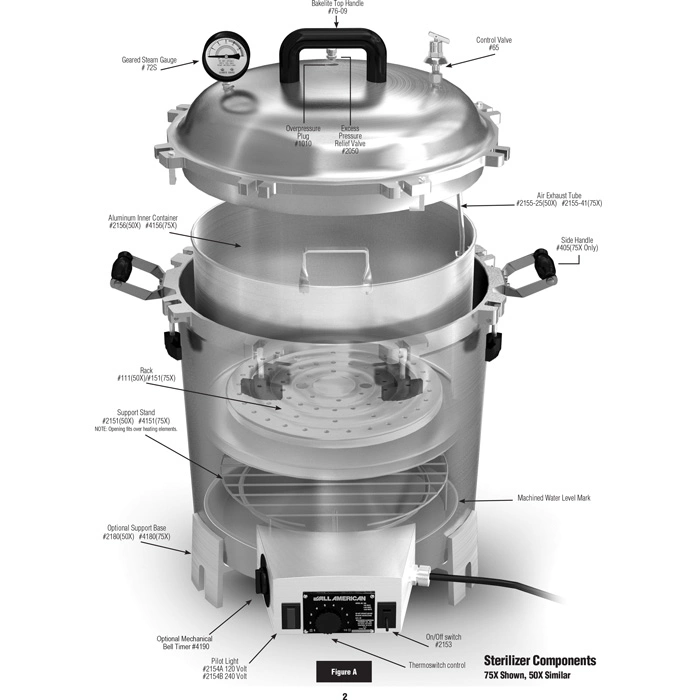
Keep Your All American Sterilizer Operating Safely and Reliably
Routine maintenance helps protect performance, extend service life, and reduce downtime. This guide brings together the most important day-to-day care information for All American sterilizers in one place, including cleaning, inspection, replacement intervals, troubleshooting, and parts support.
This page is designed to complement our main Autoclave Sterilizer overview and our Electric Benchtop Autoclave Sterilizer page rather than repeat them. Use this maintenance guide when you need practical care information after purchase or while comparing long-term ownership.
Routine Care
Cleaning, lubrication, valve checks, and proper storage.
Troubleshooting
Pressure issues, leaks, buildup, and wear symptoms.
Replacement Parts
Know what to replace and when to use genuine OEM parts.
Important Maintenance Notes
Always allow the unit to fully depressurize before opening. Never attempt to service, clean, or inspect a hot or pressurized sterilizer.
Use distilled water only. Mineral-heavy water can shorten component life and reduce performance.
Use genuine replacement parts whenever possible. Proper fit and performance matter on pressure equipment.
Routine Sterilizer Maintenance
Regular maintenance is one of the best ways to keep your sterilizer running efficiently. A good maintenance routine helps minimize mineral buildup, reduces wear on moving parts, and helps you identify issues before they interrupt operation.
Before Each Use
• Confirm the unit is clean and dry from the previous cycle.• Check the pressure gauge face for damage and make sure the needle returns to zero.
• Inspect the control valve and air exhaust path for visible blockage.
• Check the metal-to-metal sealing surfaces and lubricate lightly if needed.
• Verify the correct distilled water level before starting a cycle.
After Each Use
• Empty remaining water if the unit will not be used again right away.• Dry the inside thoroughly.
• Leave the control valve open during storage to allow air circulation.
• Store the sterilizer in a clean, dry place.
Periodic Maintenance
• Clean the control valve in hot, soapy water.• Inspect the air exhaust tube to ensure air passes freely through it.
• Check for mineral buildup and remove it before it becomes severe.
• Re-lubricate the sealing surfaces as needed so the cover does not stick.
How to Clean Your Sterilizer
Your sterilizer should be cleaned after use so residue, mineral deposits, and standing moisture do not create long-term issues. Proper cleaning also helps preserve the appearance and function of the chamber and components.
- Allow the sterilizer to cool fully and confirm pressure is at zero.
- Empty any remaining water from the unit.
- Rinse the chamber thoroughly with water.
- Fill to the standard operating level with white vinegar and let it stand for several minutes.
- Rinse thoroughly with water.
- Repeat the vinegar process if needed to remove lime or mineral deposits.
- Dry the sterilizer thoroughly before storing.
Important: Never turn the sterilizer on while it contains cleaning solution.
Why Distilled Water Matters
Tap water can contain dissolved minerals and salts that build up on internal surfaces and valves. Over time, this buildup can affect performance, contribute to calcification, and increase maintenance needs. Using distilled water helps keep the unit cleaner and operating more consistently.
Recommended Replacement Intervals
Some parts naturally wear over time due to heat, pressure, steam, and repeated use. Replacing them at sensible intervals can help avoid unexpected downtime.
| Component | Recommendation | Why It Matters |
|---|---|---|
| Pressure Relief Valve | Replace every 3 years | Helps maintain proper safety performance |
| Overpressure Plug | Replace every 6 months | Important pressure safety component |
| Air Exhaust Tube | Replace if corroded or difficult to clean | Supports proper venting |
| Pressure Gauge | Replace if cracked, fogged, or not returning to zero | Essential for monitoring sterilization conditions |
For genuine parts, visit our All American Sterilizer Parts page.
Common Sterilizer Problems
Cover Is Difficult to Remove
This is often caused by inadequate lubrication on the metal-to-metal seal. Keep the seal lightly lubricated with high vacuum grease or petroleum jelly so the cover can be removed more easily after use.
Control Valve Leaks
Calcification and mineral deposits can interfere with proper valve operation. Clean the control valve in hot, soapy water. If mineral buildup is present, soak it in vinegar, then wash, rinse, and dry thoroughly.
Gauge Problems
Do not use the unit if the gauge face is cracked, fills with steam, or does not return to zero. The gauge should be inspected visually on a routine basis and replaced when needed.
Air Exhaust Tube Blockage
The air exhaust tube should be checked frequently to ensure free airflow. It is a good practice to blow air through the tube at least once a month. If cleaning does not restore proper flow, replace the tube.
Sterilizer Safety Checklist
• Always wear heat-resistant gloves when handling a hot unit or hot components.• Never open the sterilizer until the gauge reads zero.
• Never move the sterilizer while it is pressurized.
• Never run the unit without water.
• Do not place corrosive materials inside the sterilizer.
• Do not use the sterilizer for cooking or food processing.
• Always check pressure release devices for clogs before use.
• Keep children and pets away from the unit.
Suggested Maintenance Schedule
| Task | Frequency |
|---|---|
| Inspect gauge, valve, and sealing surfaces | Before each use |
| Drain and dry sterilizer after use | After each use |
| Clean chamber and remove mineral deposits | As needed / routine use |
| Check airflow through exhaust tube | Monthly |
| Replace overpressure plug | Every 6 months |
| Replace pressure relief valve | Every 3 years |
Parts and Service Support
Many common wear items and service parts are available through our sterilizer parts section. For deeper repairs involving the thermostat, thermoswitch, heating element, or thermometer, manufacturer service may be the better path.
Shop replacement components here: All American Sterilizer Parts
For general sterilizer selection and operating overview, also see:
• All American Autoclave Sterilizers• Electric Benchtop Autoclave Sterilizers
• Stovetop Autoclave Sterilizers
Frequently Asked Maintenance Questions
How often should I clean my sterilizer?
It should be cleaned after use and dried thoroughly before storage. More frequent descaling may be needed if mineral buildup appears.
Why is distilled water recommended?
Distilled water helps reduce mineral deposits that can affect valves, internal surfaces, and overall performance.
What should I do if the cover becomes hard to remove?
Check the metal-to-metal seal and keep it lightly lubricated. Lack of lubrication is a common cause of sticking.
When should I replace safety-related parts?
The pressure relief valve is recommended every 3 years, and the overpressure plug every 6 months.
Need a Replacement Part for Your Sterilizer?
Shop genuine parts designed for All American sterilizer models and keep your unit operating safely and efficiently.
All of our products are first quality and factory new. If you are not satisfied with any AllAmericanCanner.Com product you may return it within 30 days for replacement or refund. AllAmericanCanner.com is independently owned and operated by Red Hill General Store, Inc. We are not affiliated with Wisconsin Aluminum Foundry other than being an authorized retailer of their products. All American Pressure Canners are intended and manufactured for home use. They are not intended for commercial applications.